http://mostlymindfulmommy.com/facing-fear-the-one-thing-you-can-do-to-transform-your-childs-future/
Sandy
vajrablue.com


Thinking is what a great many people think they are doing when they are merely rearranging their prejudices.
William James
Over the last twenty years, I have been forced to recognise that I spend far too much of the time when I attempt to meditate, sitting on my cushions lost in thought. This thinking is rarely helpful.
These thoughts, that insistently intrude upon my practice, and which come so regularly and without any formal invitation, fall into three main groups. There are variations on the themes that are involved, and in the content that they cover. The one thing that they have in common is to increase the irritability and reactivity of the mind.

I can resist everything but temptation.
Oscar Wilde
Most of the people I know believe that their lives would be better if they had greater willpower. We all find it far too easy to sit down and watch the telly when we know we should be going out to the gym, or undertaking some other improving activity. There are lots of things that we would like to do more, and others that we would like to do less. Yet somehow, despite our best intentions, we find ourselves unable to find the motivation to keep going when we set out to make some new changes in our lives.
Willpower is one of the things that makes it possible to bring about successful change much more easily. A lack of willpower is the main reason cited when we do not follow through on positive changes in our lives. The American Psychological Association’s annual “Stress in America” survey published in 2011, showed that 27% of respondents reported lack of willpower as being the most significant barrier to bringing about change in their lives. The majority of respondents also believed that willpower was something that they could increase and develop through practice. Continue reading
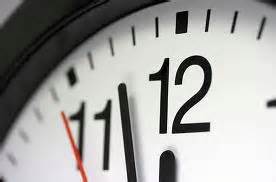
Mindfulness is the practice of having greater awareness and of being more present in our lives.
The ability to be mindful requires that we place and hold our attention where we want it.
It is the ability to switch off the running commentary of our minds and to return to the present moment.

There are known knowns. These are things that we know we know. There are known unknowns. That is to say, there are things that we know we don’t know. But there are also unknown unknowns. These are things that we don’t know we don’t know. Donald Rumsfeld.
This quote is a wonderful example of using words to hide meaning. At the height of the first Gulf War it was made as part of an explanation for some error on behalf of the coalition forces.
On the surface it sounds like so much spin-doctor nonsense, however, it is in fact a very profound remark and goes beyond the usual level of awareness that many of us have about the workings of our own minds.
Donald Rumsfeld should perhaps have also gone on to mention unknown knowns. This may sound daft, but there are many things that we know at a non-conscious level, and of which we are not consciously aware, that have a significant influence on both our behaviour and well being.
These are the things we have programmed our brains to do without always allowing them into awareness. They are the subroutines that help us to react rapidly, but not always wisely, to events that occur in both in our internal and external worlds.
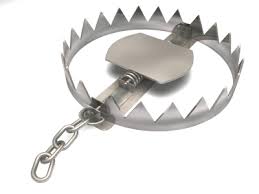
Mindfulness helps us to become aware of our feelings and thoughts, and how they influence both our behaviour and our perception of the world.
The practice can help us to uncover the thinking errors and traps that our minds can fall into, unless we are alert.
It is important to be aware of these thinking traps in order to allow mindfulness to fully develop.
Mindfulness meditation also help us to become more aware of these thinking errors.
When we are able to identify them, it means that they become less frequent, this then enables our level of mindfulness to increase.
Wise men speak because they have something to say;
Fools because they have to say something.
Plato.
As humans we use speech to communicate with each other on a daily basis. While these situations usually lead to a harmonious outcome, many end confusion and ill will. This is down to misunderstanding and a breakdown in communication. This is usually accidental, although there are times when obfuscation through language seems to be the main aim of any communication. Donald Rumsfeld seemed to be an expert at this.
This breakdown in two-way communication is much more common when the conversation is negative, or when it involves real or perceived criticism. Under these circumstances, excessive emotional responses to neutral information are quite common. We find it hard to tell other people that we are not happy with some aspect of their behaviour, or to hear them say the same kind of thing to us. This uncomfortable experience makes it all too easy to lose sight of our good intentions, and to fall back on what might be our habitual, unhelpful, and inappropriate ways of behaving, with the inevitable poor outcome.
When we feel attacked and make an emotional response the main drawback is that we stop listening to the conversation and instead we become reactive. This means that we either do not hear, or find ourselves ignoring any other information that might be available. Real communication is no longer possible in this situation and all ends in acrimony and recrimination.
For accurate communication we need to be able to develop a mutual understanding of the issues at hand. We need to understand what we each mean by our words, what the other person understands us to mean, what we feel about the conversation, and what we need to get out of it. Without this we are unable to accurately communicate. As Wittgenstein put it, we need to be playing the same language game as the other person with whom we are talking.
Fortunately it is possible to handle our interactions with others sensitively and confidently on a much more regular basis. Continue reading
In our sleep deprived times another good argument to teach mindfulness as widely as possible.
Start them young.
Sandy
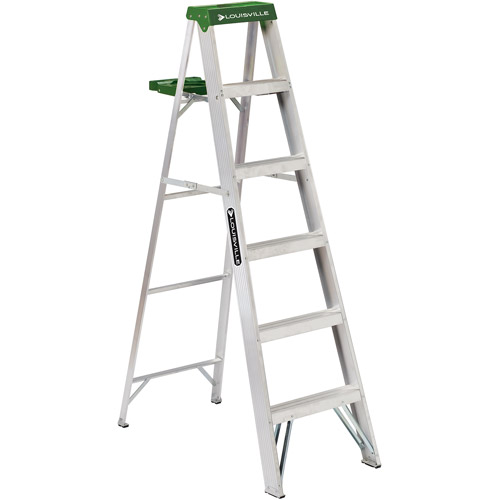
Many of us live by other peoples’ rules. We are afraid to act in our own interests. There is always someone else whose opinion carries more weight than our own. Someone to whom we have given the power to veto the decisions that we make about how we live our lives. These are often internalised figures from our past.
We wait for the right moment to act; when we have the right job, when we have enough money, when we meet Mr or Ms Right. If we retrain for a different job it might be years before we are ready, so we choose not to. We decide to stay with the status quo and miss out on opportunities to have a richer life.
Where our future is are concerned we have to act, otherwise we will be at the mercy of everything else that is happening. As the Nike advertisement said “Just do it.”
 Vajra Blue
You must be logged in to post a comment.